The Mainsheet - July 2026
The Commodore’s Compass
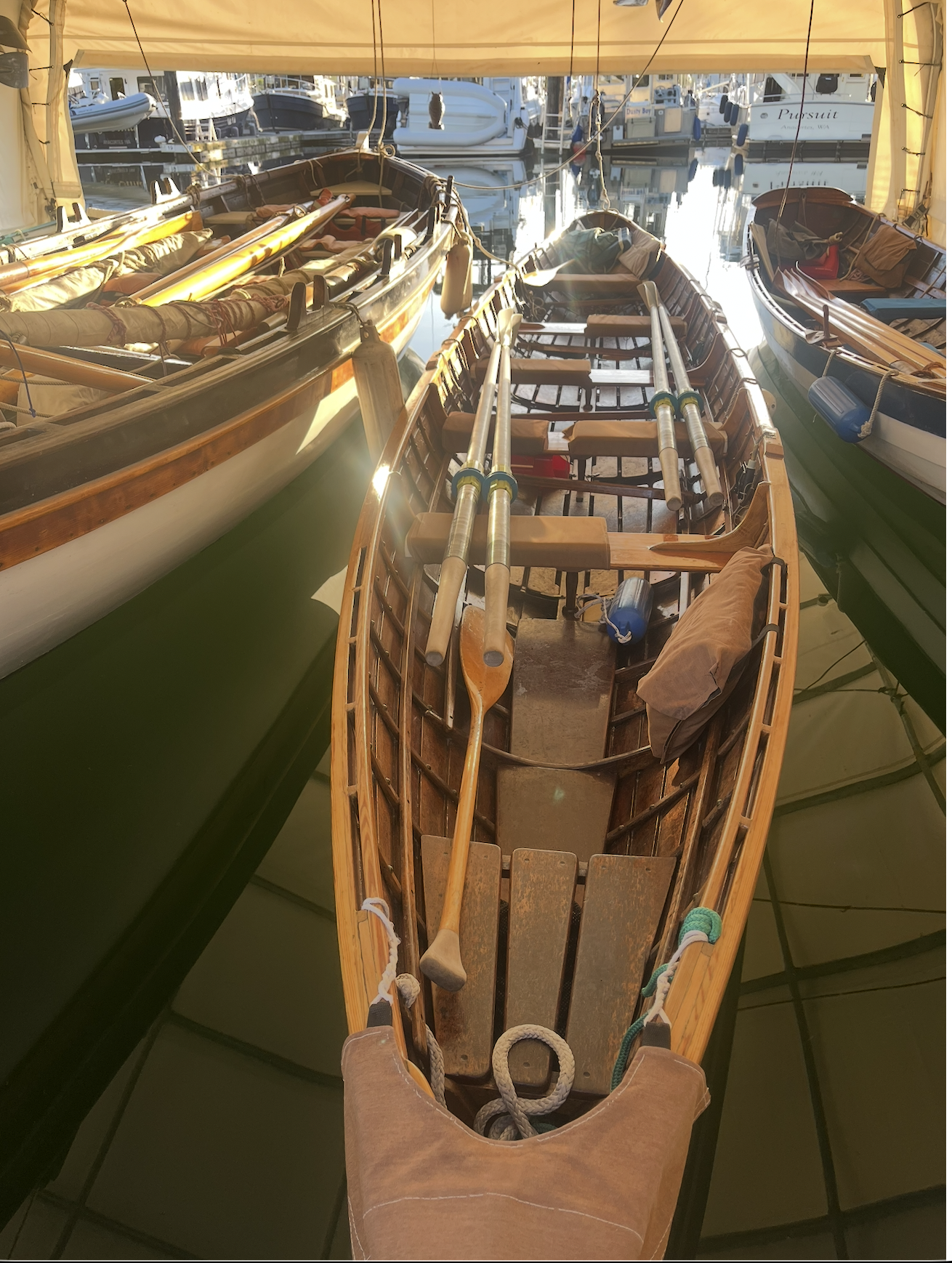
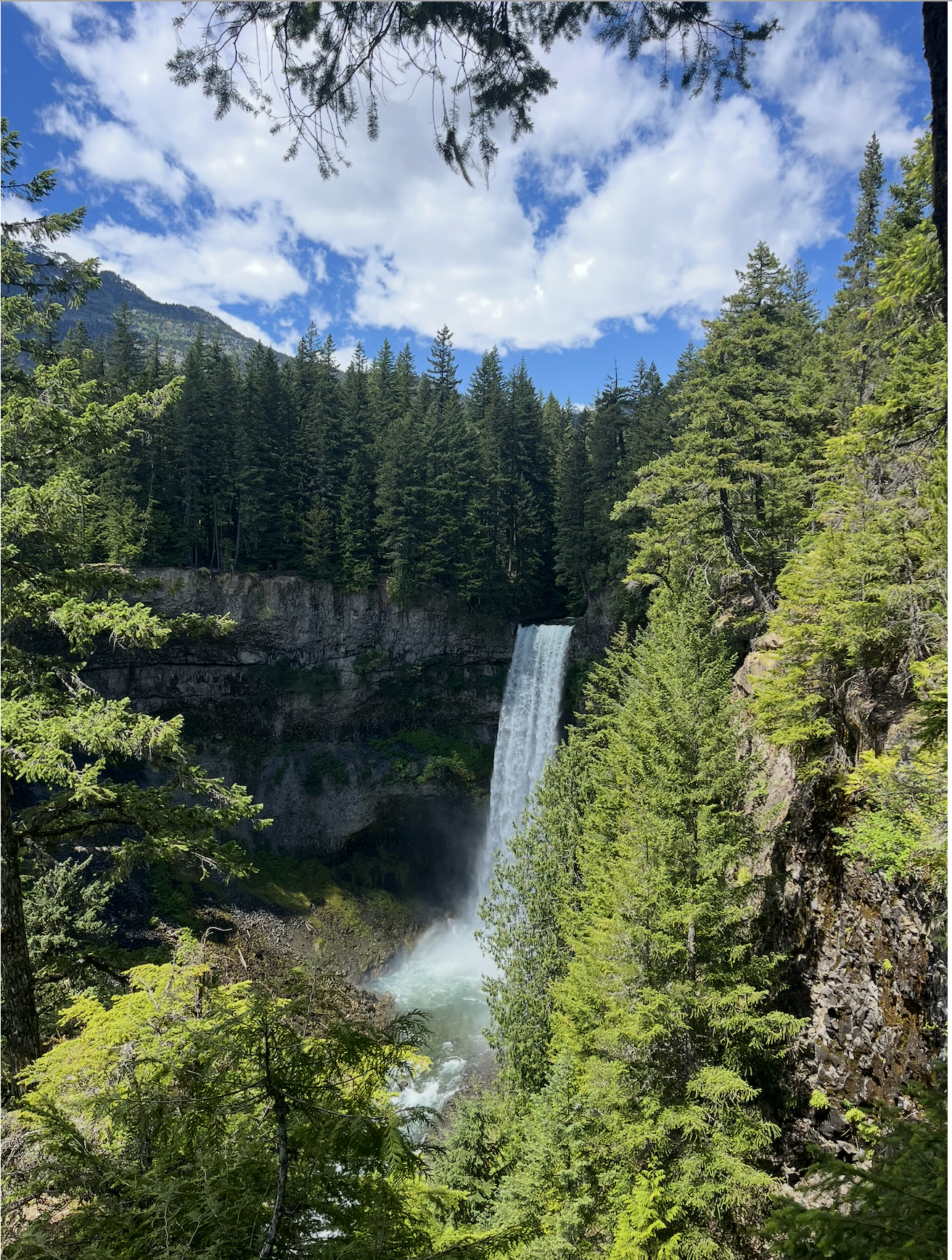
I just returned from a three week camping trip to the spectacular North West to Squamish, British Columbia where our daughter and grandson live. On the way back we stopped for a day in Anacortes Washington. They have a nice harbor filled with sailboats 30 feet and under and a nice little yacht club to match. The boats are mostly vintage fiberglass from the sixties and seventies. They are pretty much all well maintained and well used.
Needless to say, I was in boat heaven as I have a soft spot for the family racers and cruisers of those decades. Quite the contrast to our harbor where the small boat marina by the launch ramp is empty. More surprising because we have the better weather. Those hardy folks in the North sail in the rain frequently. I have to say many boats of that vintage here in CI Harbor are not well cared for and usually end up being dragged up the launch ramp to be crushed. What a waste.
This contrast reminds me that our message to our neighbors, friends, and family here in California needs to be that sailing can be affordable and fun. Outreach to our communities to introduce our sport is important. Invite a non sailor on your boat for a race or a day sail this summer, you might just change their lives.
Speaking of important, The Master schedule is coming out. I have assigned names to the end of August. I'll be asking folks to fill in for extra duties this year as frankly we need more members to fill in all the duties required.
Duties for July:
July 1, WW, Dominic
July 8, WW, Marshall
July 11, Club Dinner, Kevin Bigler
July 15, WW, Chuck
July 22, WW, Alan
July 25, General Meeting Dinner, Mike Taylor
July 29, WW, Lorenz
Next Open Mic -July 26
Vice Commodore's Comment
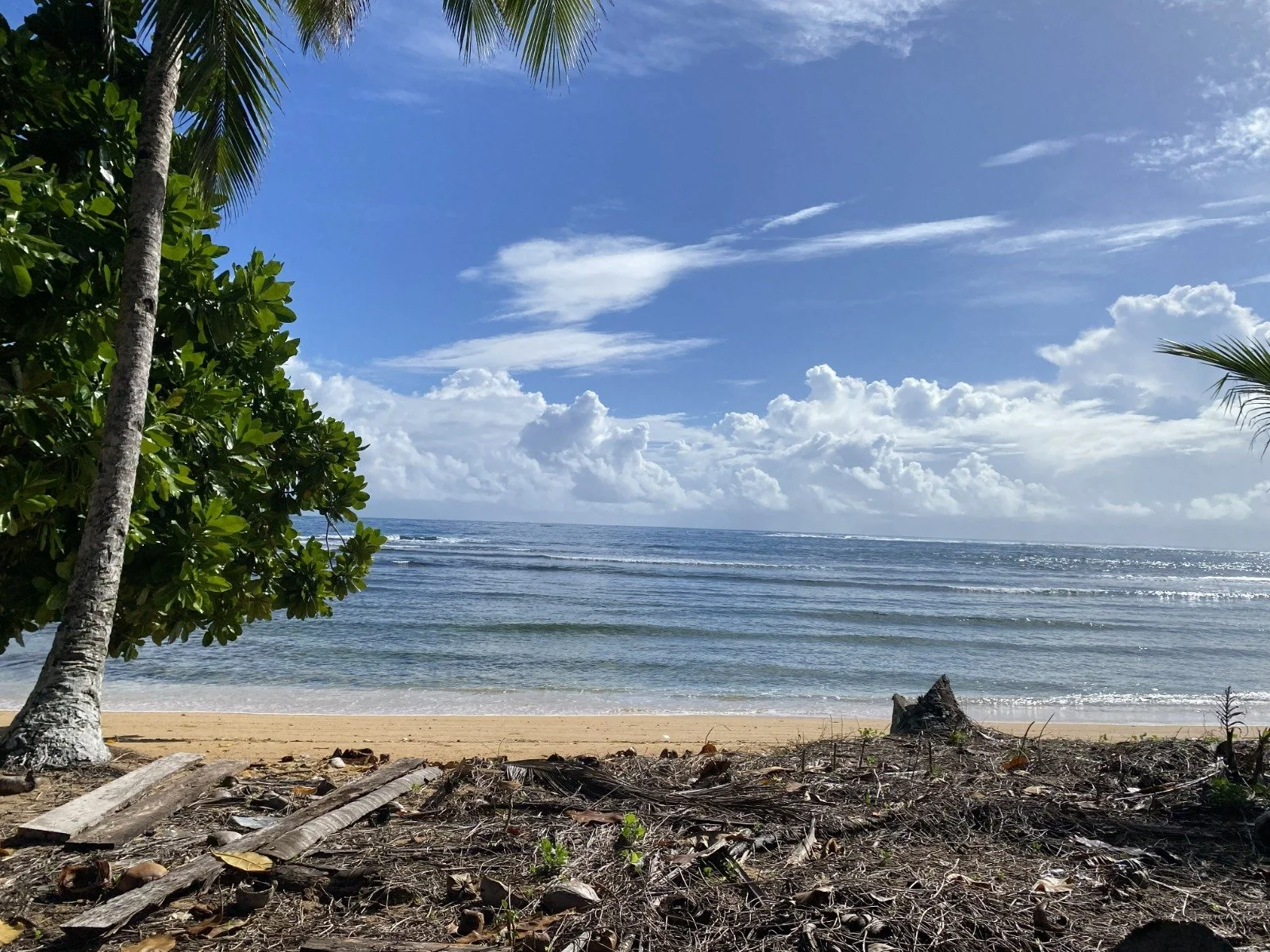
From: Butuan, Mindanao, Philippines
Wet Wednesday came and went again this month, same as always - and I missed it, watching from 8,000 miles away. But something happened here that made me realize how little that distance actually matters.
I've been spending time around the maritime academy here, watching young Filipino cadets train for careers on the high seas, and I keep coming back to the same thought: the sea doesn't care what flag your boat flies. Whether you're launching an ancient balangay off a Mindanao beach or rigging an 8’ gaff rigged Oz Goose for we are all floating on the same water. The joy is universal. So are the rules.
The differences are real, though - and they're the kind that make you a better sailor for noticing them. Here, a six-foot tide swing can turn a launch point into a mudflat in a couple of hours. That's not something most of us worry about on the California coast, where our tides are gentler and more forgiving. But it's the same lesson, just with the volume turned up: read the water, respect what it's telling you, and don't assume today looks like yesterday.
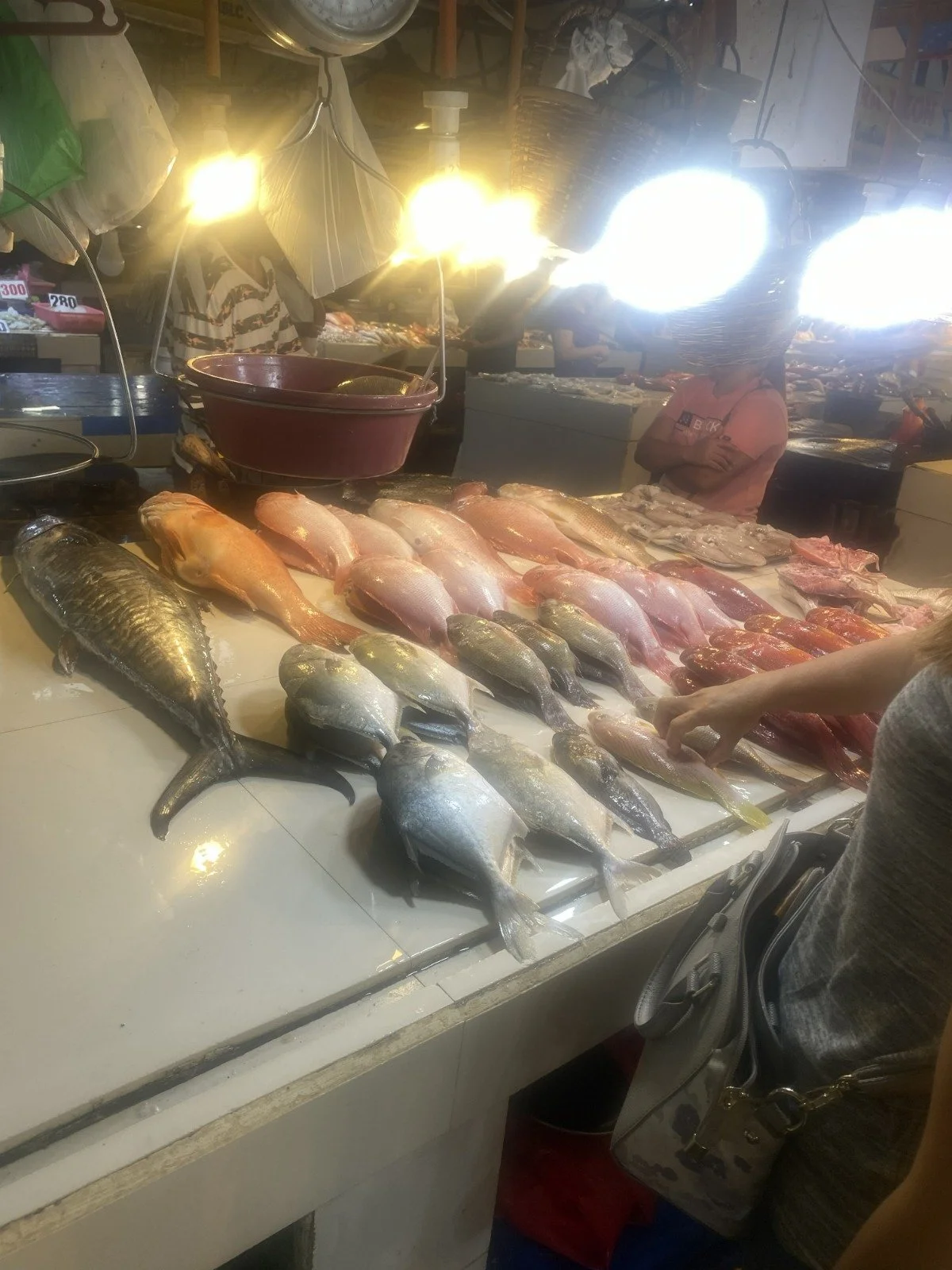
Yesterday I walked through the wet market here, and it hit me sideways a little. The tables aren't lined with shrink-wrapped fillets under fluorescent lights - they're piled with whatever came off the boats that morning. Fish still catching light, shells, things I couldn't name, laid out by the people who caught them or know the people who did. It's a five-minute walk from ocean to table, and you can practically trace the whole chain with your eyes.
It made me think about how easy it is to forget, standing in the seafood aisle at Ralphs, that the sea used to be the only road there was. Before trucks and cold storage and supply chains, the water was how you got food, goods, news, and neighbors from one place to another. Every culture that ever amounted to anything figured out how to read a current and trim for wind. We didn't invent that relationship with the sea - we just inherited it, and on a good Wet Wednesday, we get to practice a small piece of it for fun.
That's maybe the real luxury of being a sailor: we get to do on purpose, for joy, what people here and everywhere else once had to do just to survive.
So as Wet Wednesday rolls on this July, know that I'm out here thinking of all of you every time I see a boat pushed off a beach or a net pulled in with the tide. Different water, different boats, same old pull toward the horizon. See you all soon - and until then, fair winds and steady tides, wherever you're sailing from.
Pete Turpel, Vice Commodore
CLUB DINNERS AND SOCIAL EVENTS:
Planned for July:
Wednesday- 1- Wet Wednesday Race -Dominic
Wednesday- 8 - Wet Wednesday Race - Marshall
Thursday- 9 -Bridge and Board Meeting
Saturday-11- Club Dinner - Kevin
Wednesday- 15- Wet Wednesday Race - Chuck
Wednesday - 22 - Wet Wednesday Race - Alan
Saturday - 25- General Meeting & Dinner - Mike Taylor
Sunday - 26 - Open Mic & Dinner - Chuck Manley
Wednesday - 29 - Wet Wednesday Race - Lorenz
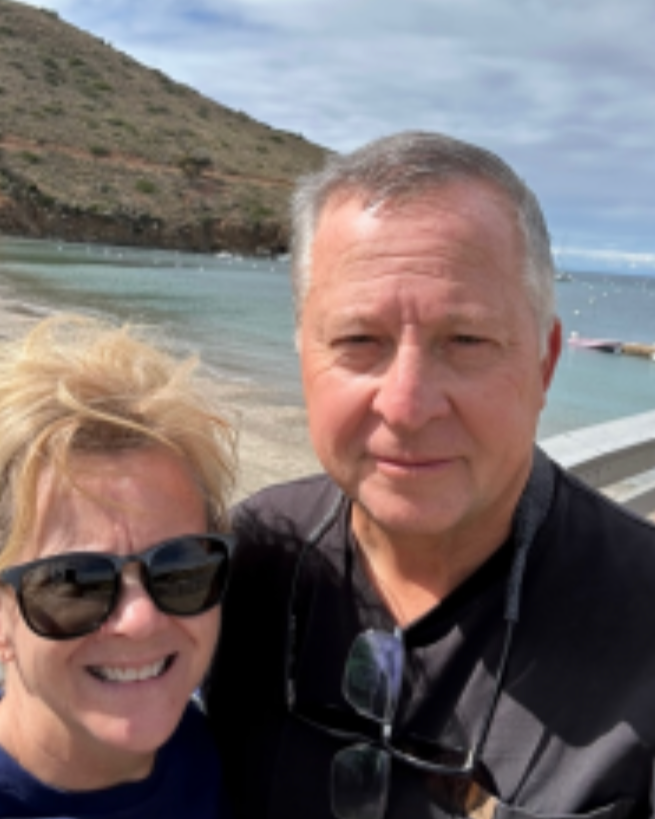
Mark and Melanie
May 2026 Trip to Two Harbors, Catalina
by Mark & Melanie Trowbridge
Melanie and I are excited to be new members of the Anacapa Yacht Club. We thought we’d
share some details about our first long(er) distance cruise since buying our Beneteau First 36.7
sailboat Venteux (named for a French wind) just one year ago. Also, this article will share ten
challenges/learnings we experienced during our voyage that may be helpful for other AYC
members as well!
THE TRIP TO CATALINA - After a prep day in our slip, we (my wife Melanie, me and our friendly
collie Clancy) left Channel Islands Harbor at 6:30 a.m. on Saturday May 2nd with our first
waypoint set around 3 miles south of the Anacapa lighthouse. Mild fog and light winds kept
visibility low, so we relied on our new B&G chart plotter and radar to navigate across the
shipping lanes while powering at around 6.5 knots. Once at our first waypoint, we hung a left
and pointed to the next waypoint set outside of Isthmus Cove (Two Harbors) on Catalina. Our
chart plotter had told us the entire trip would be around 68 miles.
Very peaceful trip. Saw dolphins, sharks, a large turtle, a catamaran powering in the opposite
direction, and myriad numbers of By-the-wind sailors Velella. The true wind stayed below 5
knots until the last hour of the trip when it picked up to 15+ knots near the West end of
Catalina and the seas became choppy and began throwing out whitecaps. No sailing, just
cruising via diesel.
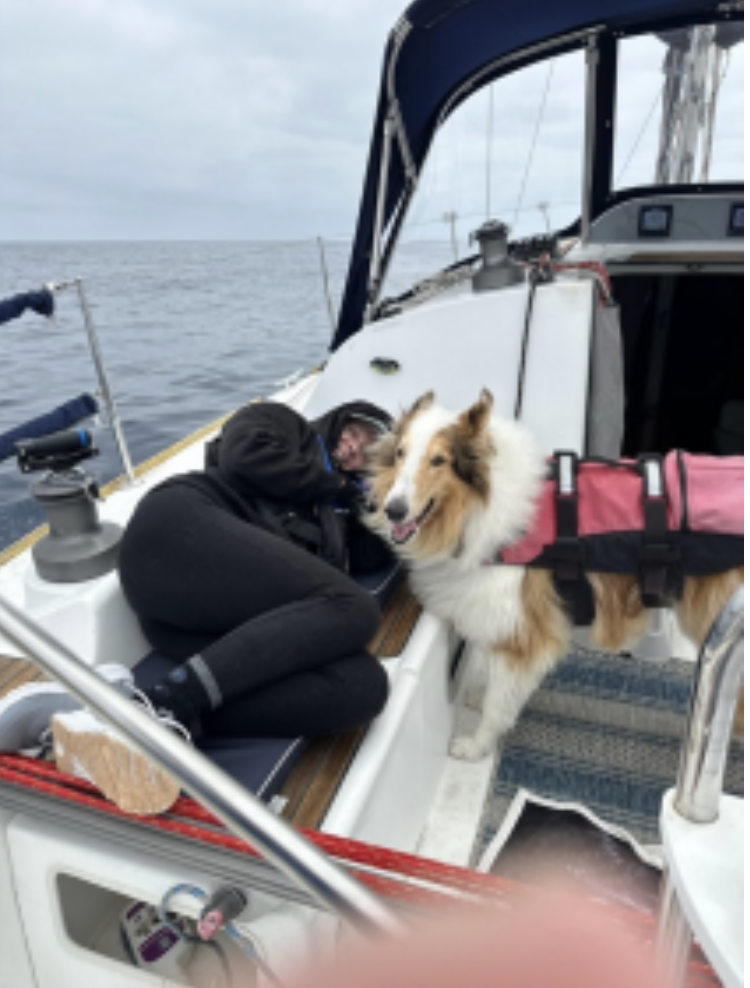
Melanie and Clancy
First challenge – Our fuel gauge (newly installed) indicated below 7/8ths of a tank…despite the engine pushing the boat 60+ miles. Hmmm. So out of caution, before leaving for our return trip, we topped off our diesel tank from the Two Harbors fuel dock - - where we put in 9 ½ gallons of fuel into our boat’s 18 gallon fuel tank. Note to self – Have our electrician(1) calibrate or replace the “new” fuel gauge to reflect the actual fuel level.
Second challenge – An iPad in the cockpit was used to “mirror” the chart plotter in the cabin’s navigation station. Because our electrician hadn’t had time to add a USB charging cord to the Edson steering column, he provided us with two chargeable battery packs to keep the iPad going. We replaced one when it got low with a fresh one, and plugged the other back into a port in the cabin to recharge. That worked, but does make a sailing passage more interesting to see a “Low Battery” warning as you’re watching the AIS outline of a merchant vessel on the display. Note to self – Have electrician to install a USB DC charge cord on the steering column.
Third challenge – This was Clancy’s first long sailing trip. He did great, but decided to completely boycott the astro-turf pee pad we’d brought along for the trip. He just “held it” the entire way to Catalina. More about this later. Note, on the trip we got a few curious looks at the astro-turf pad wedged behind our backstay. Hopefully they assumed it was a golf putting green feature like on Mark Zuckerberg’s yacht!
Fourth challenge – Midway between Anacapa and Catalina, we noticed that two (of the five) spokes in our Edson aluminum 51” diameter steering wheel had broken at the hub. Uh oh. So we handled the wheel very gently through the rest of our journey. We’ll get a new wheel to
replace it. Annoying though, as Melanie had spent nearly two full days stitching a leather wheel cover onto the wheel. Sorry dear. Grrr.
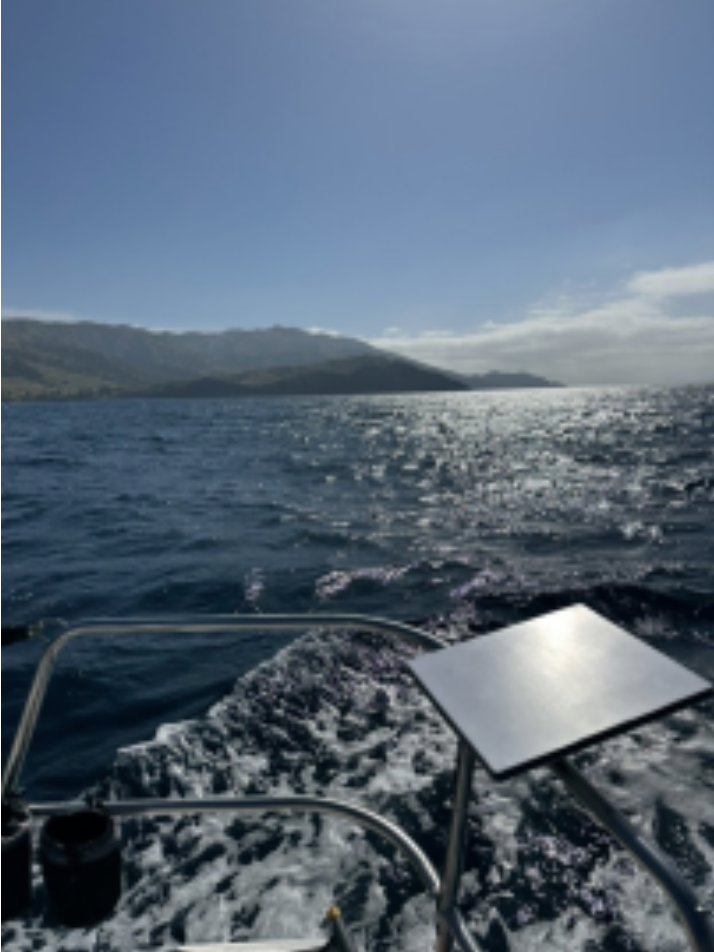
Catalina Island
ARRIVAL AT TWO HARBORS - Even though we arrived on a Saturday, the harbor was fairly empty. The Two Harbors Harbor Patrol were great. They coached us through our first mooring ball experience but we nailed it the second time around. The harbormaster said, “That was really good for your first time, you only missed it by this much!” (we still aren’t sure if that was a real compliment).
Fifth challenge – For those who’ve never picked up a Catalina mooring, it was helpful to see in Fagan’s book(2) the following drawing. The trick (as we learned) was to align the boat to be able offset the wind drift before coming up very slowly so that your bow person (in this case Melanie) can grab the stick and pull up the string line until getting the heavy mooring line’s loop over a bow cleat. We then hand-walked the weighted drop line back to the stern where the rear mooring line could be attached to a stern cleat. A tip the harbormaster provided was to tie the “spreader” line over the front mooring line loop in a classic cleat figure eight cleat knot - - thus preventing the possibility of the loop accidentally slipping off the cleat (which he said has happened to many boats if wind shifts and rollers enter the moorings from different angles).
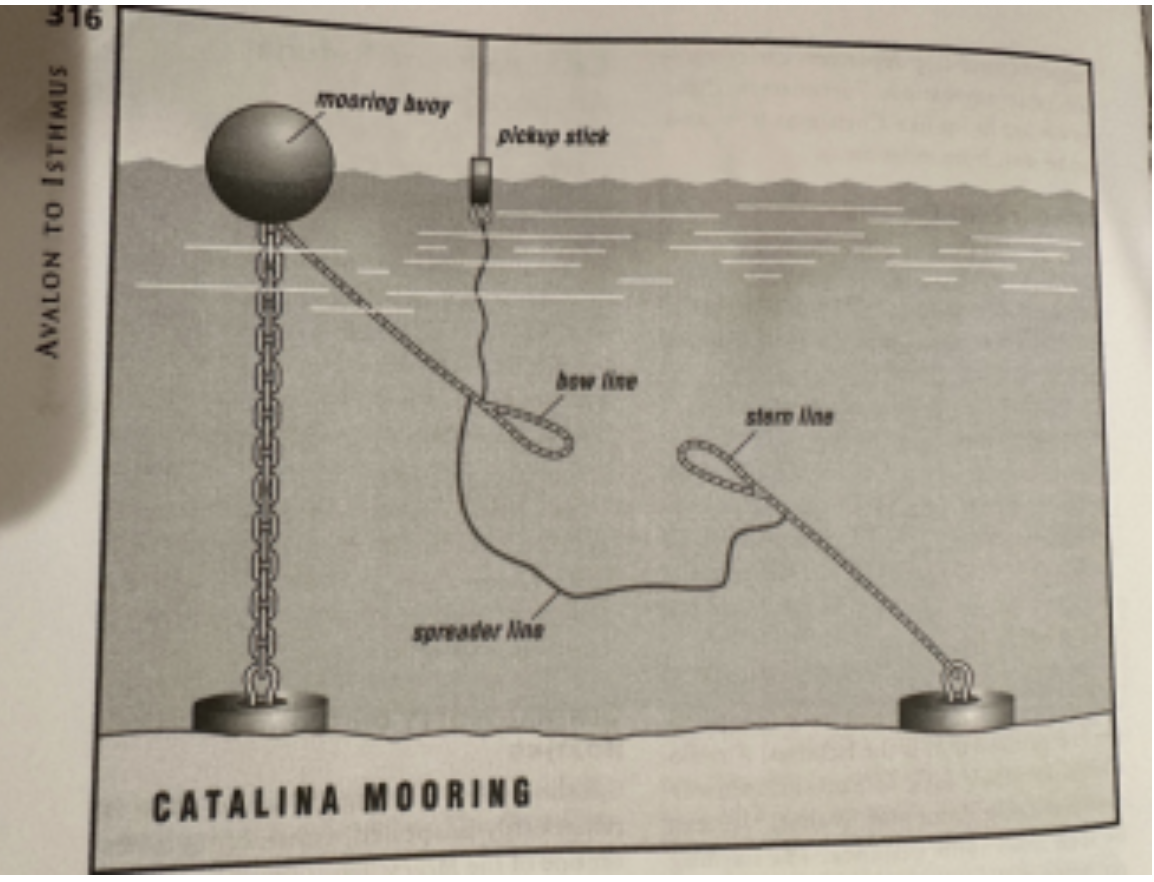
Catalina Mooring
As Murphy’s Law would have it, that same night all the moored boats experienced pitching and rolling due to leftover wind chop wrapping around the Eastern harbor mouth (mast tips swinging 10O – 12O or so) and hitting many boats around us. Not terrible, just uncomfortable. The next morning, the harbormaster was kind and shifted us to a more-protected mooring close to the Western cliff wall of the harbor for the remainder of our visit. Absolutely smooth there.
They also shared a tip that the moorings available on the Catalina Two Harbors reservation website (https://www.visitcatalinaisland.com/stay/mooring) each Thursday before a non holiday weekend are the “not-as-prized-moorings” in the harbor. Those also have a $25 surcharge added. He said the “best moorings” are only available on a first-come-first-served basis. If you’re concerned about getting any mooring in a busy season arrival, it may be worth paying the extra $25. After your arrival, the harbormaster can usually switch you to a better mooring. Otherwise, they recommend just show up to stay at Two Harbors midweek and “non-holiday” periods. (to be continued next month)
Rear Commodore’s News
Yachtsman Adlard Coles
The enthusiasm to race is strong with our members and reflects over a hundred
years of the sport. Consider the great British Yachtsman Adlard Coles. His
pursuit of North Atlantic racing is an inspiration. He raced his yacht “Cohoe” in
the 1950 Transatlantic race after considerable preparation. Quoting from The
Atlantic Monthly: “….here is no doubt that the 1950 Transatlantic will go down to
history not on account of one particular ship, but because of the splendid
passages of the three relatively tiny yachts.” This quote is from his book:
NORTH ATLANTIC boat against boat over 3000 miles. I have a first edition
British copy that does not show the publishing date, but I surmise it would be
1951 or 1952. I highly recommend that you find a copy. Adlard is a wonderful
writer, and his works are always a good read, He also authored the well-known
book: Heavy Weather Sailing. Every sailor should read this book and most
have. I have a first edition and I find that the first edition is a lot more fun as the
later editions have omitted some stories where Adlard talks about sailing with no
modern equipment. The new editors must have thought these discussions were
now irrelevant. In my opinion this is a mistake. It is always when things aren’t
going well and all the electronics are compromised, including the big screen TV
that one needs the knowledge to weather the storm.
Sincerely turning on all my electronics,
Lorenz Perner, Rear Commodore, July 2026